
Reviewed · NAPLES MUSEUM TOURS
Naples: National Archaeological Museum Ticket & Audio App
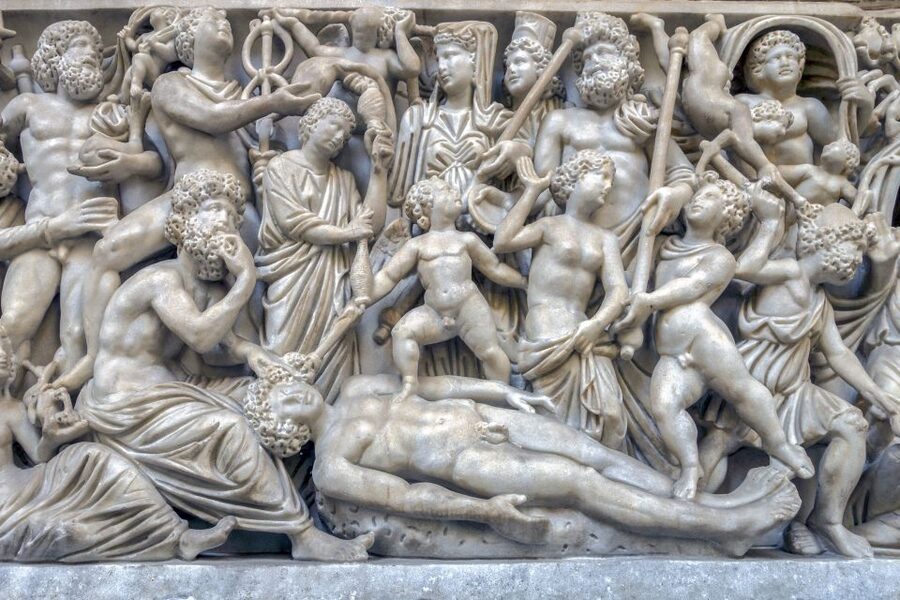
Pompeii’s painted walls and everyday objects make a different kind of sense when you see them in the museum that preserves so many of them. Naples’ National Archaeological Museum brings together finds from Pompeii and Herculaneum with monumental Roman sculpture, so you can connect the ancient cities to the art and objects once used in them.
I like two things in particular: the chance to see the Farnese collection, including its famous marbles and engraved gems, and the museum’s extensive Pompeii displays, which add context before or after a visit to the ruins. The ticket also gives you room to explore at your own pace, without having to keep up with a group.
One consideration: the included digital audio app is not a live guided tour, and some visitors have found it slow to download or unreliable. The museum is very large, so plan your time around what interests you rather than expecting to see every gallery in a quick visit.
What to know before you go
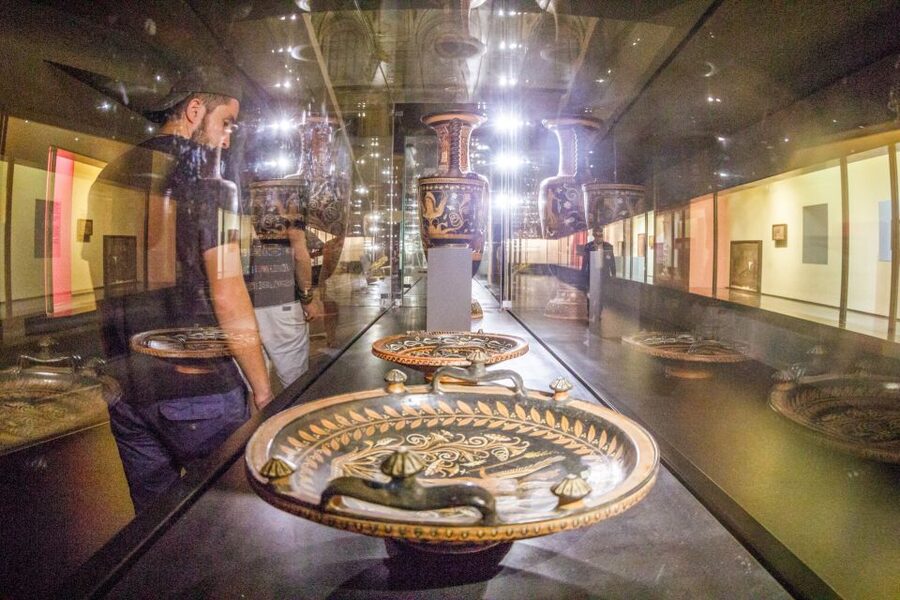
- Pompeii and Herculaneum finds: See objects and art removed from the ancient sites, including frescoes, mosaics, glass vessels and household items.
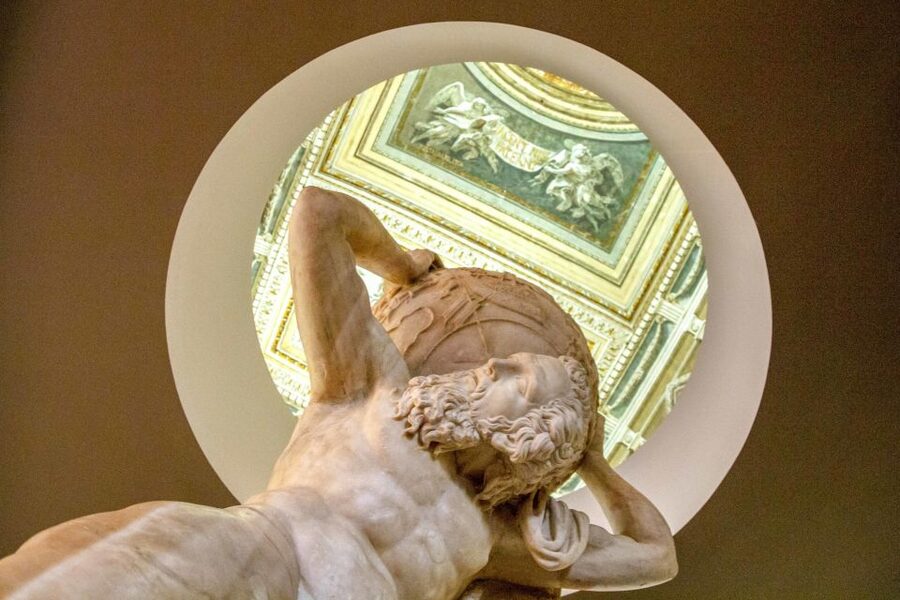
- Farnese sculpture and gems: The museum’s core collection includes the Farnese Marbles and engraved gems inherited by the Bourbons from the Farnese collections.
- A museum visit, not a guided tour: Your admission includes a digital audio app, but no guide leads you through the galleries.
- Allow three to five hours: You can make a shorter visit, but the range of collections can easily fill much of a day.
- One entry only: The ticket is valid for a single entry, with no reentry if you leave the museum.
- Plan for a ticket exchange: You need to trade your smartphone voucher at the museum ticket office for an official entrance ticket.
Why this museum adds meaning to Pompeii
The museum’s great strength is the connection between objects and place. Pompeii’s ruins show streets, homes and public spaces in their original setting. Here, you can look closely at the things taken from those sites, from painted decoration to cooking pots and glass vessels. That change of scale matters: a city can be hard to read at once, while a single object gives you a more personal glimpse of daily life.
If you are visiting Pompeii or Herculaneum, the museum can work well either before or after the archaeological sites. Go beforehand if you want background that helps you recognize the importance of the art and objects on site. Go afterward if you want to see more of what was found and how the pieces fit into the wider Roman world. There is no single right order, but pairing the museum with a site visit makes each experience more rewarding.
The collection also reaches well beyond the excavated cities. The museum holds Greek and Roman antiquities, including sculpture from the Farnese collection. That gives you a useful counterpoint to the more domestic finds from Pompeii: grand marble figures and finely worked gems show another side of ancient life, one shaped by wealth, public display and collecting.
More museum tours near Naples:
- Naples: National Archaeological Museum of Naples Guided Tour
★ 4.8 · 498 reviews - Naples: National Archaeological Museum Tour & Digital Guide
★ 4.2 · 177 reviews - Naples: National Archaeological Museum audio guide
★ 4.0 · 155 reviews
What the ticket includes, and what it does not
For $29 per person, you get museum admission and access to a digital audio guide. The ticket is valid for one day, but it allows just one entry. In practical terms, that means you should plan to stay inside once you enter. If you leave for lunch or a walk, you cannot return on the same ticket.
The ticket does not include a live guide. You decide your own route and pace, which suits visitors who like to linger over a few galleries or skip displays that do not interest them. The trade-off is that you must provide your own structure. The museum is large enough that a little planning can make the visit less tiring.
You receive a smartphone voucher, but it is not the final entrance ticket. Take it to the Museo Archeologico di Napoli ticket office and exchange it for an official ticket. Build in time for this step, then pass through the security check before entering. Buying in advance may be useful when lines are long, though the ticket exchange still applies. At quieter times, you may find little or no wait, so the value of booking ahead can depend on the day.
Start with the collections that matter most to you
The museum is broad enough to reward a full visit, but you do not need to treat every room as equally essential. Decide what you most want to see before you begin: Pompeii and Herculaneum, the Farnese sculpture, the Egyptian artifacts, or the Secret Cabinet. Then give yourself permission to move at a human pace.
For many visitors, the Pompeii and Herculaneum collections are the natural first stop. You will find objects recovered from the sites, including frescoes, mosaics and household goods. The variety is part of the appeal. A painted wall can show the taste and decoration of a home, while a vessel or cooking pot brings the scale of ordinary routines into view.
A miniature model of Pompeii and a video presentation can also help you picture the ancient city as a whole. If you have already walked its streets, these displays may help organize what you saw. If you have not yet gone, they offer a useful introduction, though they cannot replace the experience of exploring the site itself.
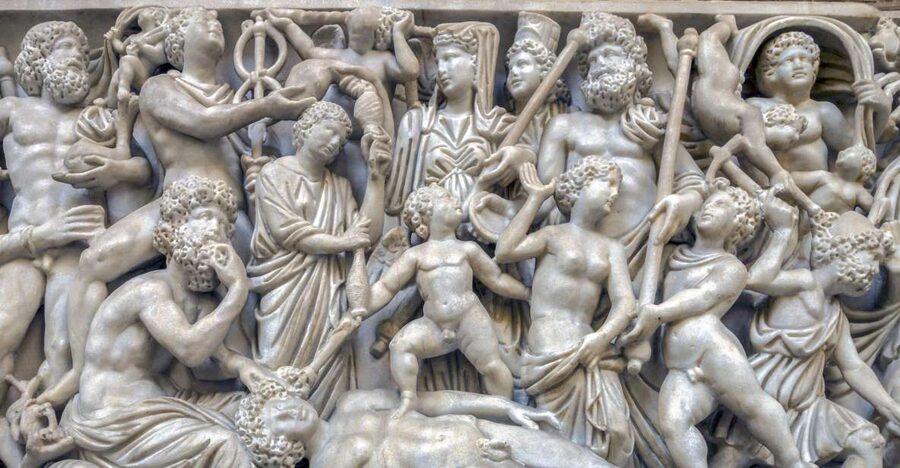
The museum’s sculpture galleries provide a different sort of encounter. The Farnese Marbles are among the collection’s best-known works, and the broader display gives you a chance to compare monumental forms and styles. The core collection also includes engraved gems, a reminder that ancient art was not limited to pieces too large to carry. Take time to notice the shift from enormous sculpture to objects made for close inspection.
The Secret Cabinet and the museum’s other collections

The Secret Cabinet is devoted to erotic art and objects from ancient Roman life. It adds a more intimate, and sometimes surprising, angle to the museum’s view of Roman culture. Rather than treating the ancient world as a parade of statues and civic monuments, the display brings attention to subjects that were part of private life and popular imagery.
The Egyptian section is another distinct strand of the collection. Its current opening status is not confirmed by the information available here. A notice attached to the ticket information says it was closed until March 31, 2023, which is an old date, so check directly with the museum before making this a central reason for your visit.
Newer displays include a history of coins. If you are short on time, you may want to prioritize the galleries that connect most closely to your interests. If you have a full afternoon, these additional collections help show how much the museum covers beyond Pompeii.
More audio tours near Naples:
- Pompeii: Skip-the-Line Entry Ticket with Audio Guide or Tour
★ 4.1 · 1,364 reviews - Herculaneum: Skip-the-Line Entry Ticket with Audio Guide
★ 4.3 · 870 reviews - From Naples: Caserta Palace Ticket and Train with Audioguide
★ 4.3 · 348 reviews - Naples: Pompeii Self Guided Audio Tour
★ 3.9 · 211 reviews
How long to stay, and when to take a break

Three hours is a practical minimum for a substantial visit, especially if Pompeii is your main interest. Give yourself four hours or more if you want time for sculpture, the Secret Cabinet and other sections as well. The scale can be mentally tiring: there is a lot to look at and read, and a long stretch of galleries can blur together if you try to absorb every label.
The museum has a café, which gives you a place to pause during a longer visit. Since your ticket does not allow reentry, a break inside is more useful than leaving the building for a meal. A bookstore is also available if you want to browse or pick up something to carry the museum’s context into your visit to Pompeii.
The building itself is part of the experience. It houses collections that reward quiet observation, and the galleries can offer a welcome change of pace from the streets outside. Still, crowd levels can vary. Arriving near opening time may give you a calmer start and better room for photographs, while a busy period can make it harder to move comfortably through popular displays.
Making sense of the audio app
The included digital audio guide may help you add structure to a self-guided visit, but treat it as an optional aid rather than the main event. It is accessed through a link, and you will need to use your smartphone. Some visitors have found that the app took a long time to download, did not work as expected, or felt less useful than the museum’s own explanations.
If you plan to use it, prepare before you arrive where possible and bring a charged phone. But do not let technical trouble derail the visit. Many displays have explanations in Italian and English, so you can still explore if the app disappoints. If you want a live guide or a dedicated museum audioguide, neither is included in this ticket.
That distinction is important when weighing the $29 price. You are paying for admission and the convenience of booking a ticket, not for a guided interpretation of every major work. If you prefer independent museum visits, the package may suit you. If expert narration is what makes a large collection manageable, you may want to arrange a separate option.
Is $29 good value?
The price is easiest to justify if you plan to spend several hours inside and care about ancient art or the archaeology of Pompeii and Herculaneum. The collection is substantial, and the chance to see frescoes, mosaics, sculpture and everyday objects in one place gives the ticket real value for a history-minded visitor.
It is less compelling if you only have a short window or mainly want a live guided experience. The ticket does not include one, and the digital audio app may not be dependable enough to serve as a full substitute. The museum’s scale is a strength, but it also means a quick visit can feel like a rushed checklist.
Ticket lines can vary. Booking ahead may save time when the entrance is busy, but you still need to exchange your voucher at the ticket office. If you arrive during a quiet period, you may be able to buy directly without a long wait. Consider the ticket most useful as a way to secure entry on a day when timing matters, rather than assuming it guarantees a completely line-free arrival.
Practical details to keep in mind
Bring a passport or ID card. You will need to pass a security check, and your ticket is for one entry only. The activity starts and ends at the museum meeting point, where you exchange the voucher for an official ticket.
The activity is listed as wheelchair accessible, but the Vittorio Emanuele apartments are not accessible to people with impaired mobility. If those rooms are important to your plans, check with the museum before you go.
The museum is accessible by Metro, and one visitor found it walkable from the cruise port. Exact travel time will depend on your starting point, so check your route on the day. You can reserve now and pay later, and cancellation is available up to 24 hours in advance for a full refund.
Who should book this museum visit?
I would put this museum high on the list if you are visiting Pompeii or Herculaneum, enjoy ancient sculpture, or want more context for the objects found in the ruins. It is also a good choice if you like to explore independently and can set aside at least three hours.
You may want to reconsider if you have only a little time, need a live guide included in the price, or expect the audio app to do all the interpretive work. The most sensible plan is to choose your priority collections, allow time for a break, and treat the app as a bonus rather than a promise.
FAQ
How long should I plan for the museum?
Allow at least three hours for a substantial visit. If you want to see several collections at a relaxed pace, plan for four hours or more.
What is included in the $29 ticket?
The ticket includes museum entry and a digital audio guide. It does not include a live guided tour.
How do I use my smartphone voucher?
Exchange your smartphone voucher at the Museo Archeologico di Napoli ticket office for an official entrance ticket. You must also pass through security before entering.
Can I leave and come back later?
No. The ticket is valid for a single entry and does not include reentry.
What should I bring?
Bring a passport or ID card.
Is the museum wheelchair accessible?
The activity is listed as wheelchair accessible, but the Vittorio Emanuele apartments are not accessible to people with impaired mobility.
Can I cancel the booking?
Yes. You can cancel up to 24 hours in advance for a full refund.
More skip-the-line tickets near Naples
- Naples: Naples Underground Entry Ticket and Guided Tour
★ 4.4 · 21,781 reviews - Naples: Catacombs of San Gennaro Entry Ticket & Guided Tour
★ 4.6 · 7,941 reviews - Naples: Downtown Tour with Veiled Christ & St Clare Tickets
★ 4.9 · 6,462 reviews - Naples: Hop-on Hop-off Bus Tour 24-Hour Ticket
★ 4.3 · 5,157 reviews
Recently added near Naples
- Tiramisù Making Class With Limoncello or Meloncello Tasting★ 5.0 · 17 reviews
- Private Natural Wine Vs Byodinamic and Organic Wine Tour★ 5.0 · 6 reviews
- Caserta Royal Palace tour★ 5.0 · 4 reviews
- Tour in the Charterhouse of St. Martin and Pedamentina with an art expert★ 4.5 · 3 reviews
- Private City Kickstart Tour: Naples★ 5.0 · 7 reviews
- Caserta Royal Palace Private Walking Tour★ 4.5 · 12 reviews
- Caserta Royal Palace small group tour★ 5.0 · 6 reviews
- Caserta Royal Palace Entrance Ticket★ 3.5 · 78 reviews
Naples Museum Tours, compared.

National Archaeological Museum of Naples Guided Tour
Read our review →
National Archaeological Museum Tour & Digital Guide
Read our review →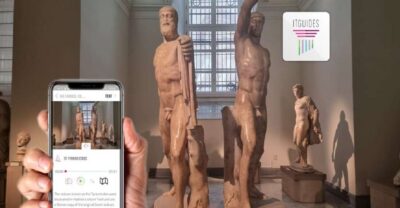


Sant’Aspreno ai Crociferi: Church & Jago Museum Guided Tour
Read our review →
Pompeii: Skip-the-Line Ticket and Virtual Museum
Read our review →
San Gennaro Experience With Filangieri Museum Option
Read our review →
Naples Archaeological Museum 2-Hour Guided Private Tour
Read our review →Browse the lists this tour appears in