
Reviewed · NAPLES
Napoli: Discover Scuba Diving in the Park of Baia
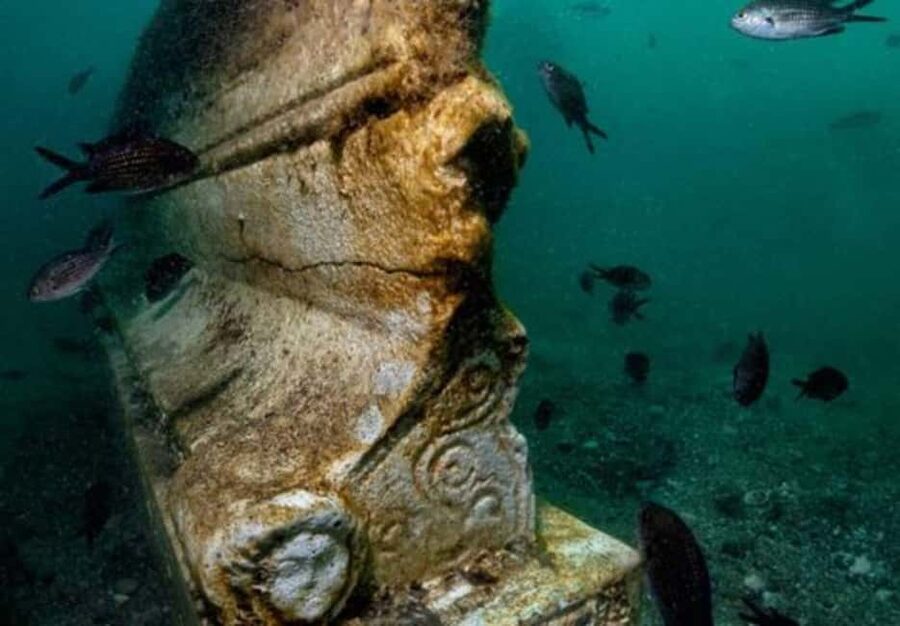
Baia’s Roman villas are not ruins beside the water. They are under the water, where mosaics, marble floors and statues share space with fish and sea plants. This beginner-friendly scuba session gives you a rare way to see them, with an instructor beside you throughout.
I like two things in particular: you get a real introduction to scuba rather than simply being taken underwater, and the boat ride leads to a protected archaeological site with a story you can see in front of you. The group limit of four also means your instructor can give you close attention.
The main consideration is that this is a physical, weather-dependent activity, not a quick look from a glass-bottom boat. You need to be comfortable in the water, able to meet the medical requirements, and ready to spend about three to four hours at the center and site.
- A Roman town below the surface: See villas, mosaics, statues and marble floors preserved underwater.
- A first scuba session, no license required: The beginner program follows PADI standards and is open from age ten.
- One instructor for no more than four participants: Expect close support while you learn and during the underwater visit.
- About 45 minutes underwater: The group follows one of the park’s designated routes, not every route in the park.
- Gear, boat transfer and refreshments included: Bring swimwear, a towel, sun protection and a change of clothes.
- A course-useful first step: Your participation certificate records this as the first session of a PADI Open Water Diver course.
A Roman resort town, now below sea level
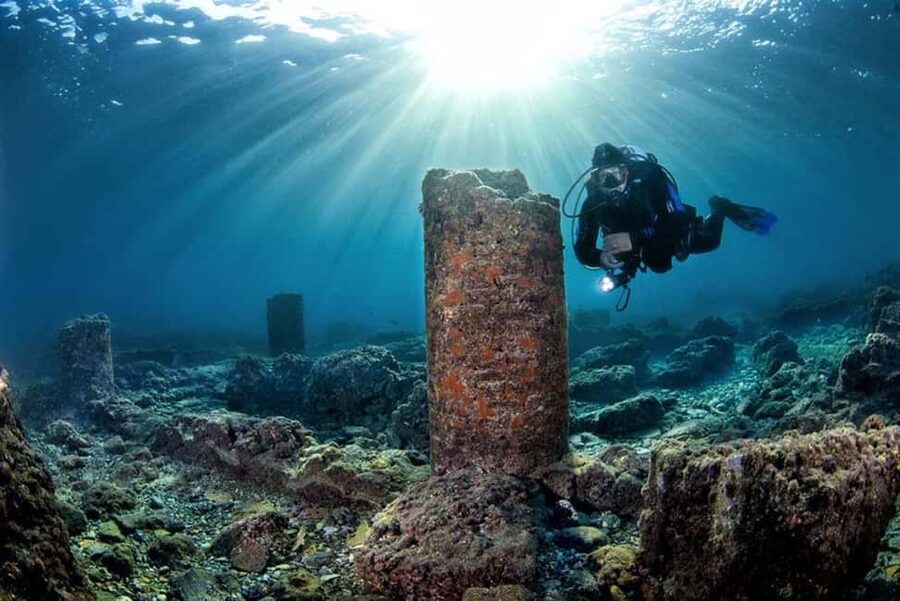
Baia was a luxury resort for Roman emperors and senators. Its villas once stood by the shore, but volcanic activity in the Phlegrean Fields gradually shifted the ground. This slow rise and fall of the land, called bradyseism, left parts of the ancient town about four metres underwater.
That change is the reason the site feels so unusual. You are not looking at a ruin that was deliberately built beneath the sea. You are seeing a place whose relationship with the coastline changed over time, while the water helped preserve its floors, sculptures and building remains.
The visible objects may be familiar from museums: mosaics, statues and cut marble. Their setting is not. Fish move between the remains, and fine plants grow over parts of the structures. One memorable detail from the underwater scene is an orange-striped fish swimming into a broken statue’s bowl, circling, then swimming out again. It is a small moment, but it helps make the ancient site feel like part of the living sea rather than a display.
The underwater view will be less crisp and still than a photograph on a sunny day. You’ll be seeing through water, with breathing sounds and bubbles close by. That quiet, altered sense of scale is part of the appeal, but it also means you should not expect every tile or statue to be perfectly clear from every angle.
Learning the basics before you board
The experience starts at the diving center at Via Lucullo, 110, close to the Temple of Venus and the entrance to the Baia pier. Look for the PADI flags. You are expected to make your own way there, so plan that part of the outing rather than treating transport as included.
Before the session, staff send you an online registration link and medical form. The answers help determine whether you need a medical examination. Most people will not, but any irregularity may require a check, so complete the form promptly and do not leave it until the day.
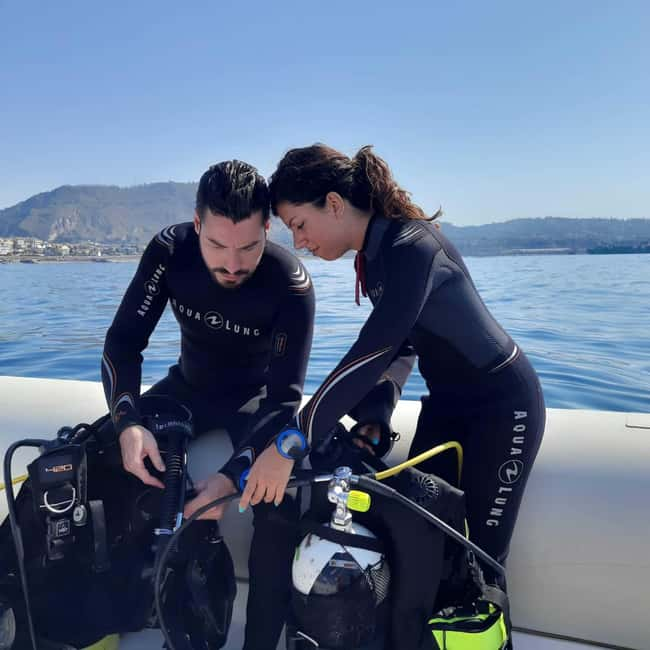
You’ll also receive e-learning that introduces scuba basics and remains available to you afterward. At the center, an instructor gives a short in-person lesson covering the equipment, how to behave in the water and the practical rules that help you stay safe. This combination is useful for a first-timer: you can meet the basic ideas online, then ask questions and practice understanding the instructions with the person who will be beside you.
The operator follows PADI standards. That matters because the session is structured as an introduction, not an informal swim with a tank. You do not need a scuba license to join, but you do need to listen carefully and follow the instructor’s guidance. Instructors speak English, Italian and Spanish.
A maximum of four participants keeps the group small. That is particularly valuable when you are learning how to use unfamiliar equipment and manage your first breaths underwater. Instructor Allesandro is specifically named in connection with attentive, reassuring support, but the available information does not promise that he will lead every session.
Other days out people plan around Naples:
- Naples: Naples Underground Entry Ticket and Guided Tour
★ 4.4 · 21,781 reviews - From Naples: Pompeii Ruins & Mount Vesuvius Day Tour
★ 4.3 · 11,459 reviews - From Naples: Sorrento, Positano and Amalfi Full-Day Tour
★ 4.6 · 10,988 reviews
By boat to the submerged archaeological park
Once the group is ready, the center provides equipment and takes you by boat to the archaeological park. The boat transfer is included in the price, and it saves you from having to arrange your own way to the underwater site. The trip also gives the session a clear transition: first the lesson on shore, then the Roman remains below the surface.
The park has several visit routes, each lasting about an hour. Your group follows one route, so you will not see the whole underwater area in a single outing. If you have a particular interest in what you hope to see, tell the staff in advance. They will do their best to schedule a suitable route, though the choice may depend on conditions and availability.
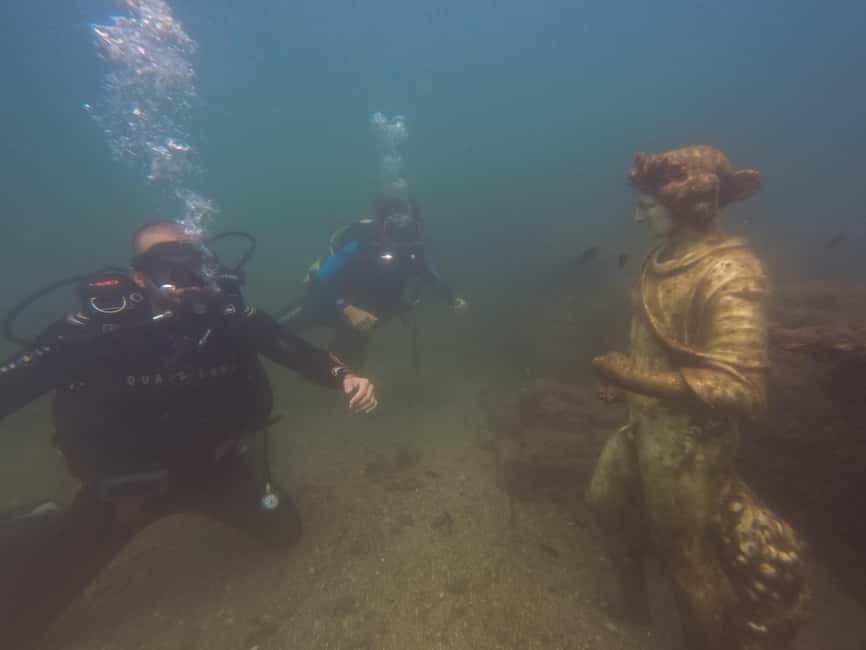
Underwater, the instructor stays close and provides hands-on support. The planned visit lasts about 45 minutes, which is long enough to take in the setting without turning a first scuba experience into an endurance test. Expect to look around at ancient structures and sea life while keeping your attention on the instructor’s directions and your own comfort.
The underwater route is the heart of the outing, but it is not the same as visiting every nearby land-based site. You may see or hear about places such as Baia Castle and the Baths of Baia from a distance; their entry fees are not included. The Temple of Venus is also close to the center, but it is currently closed to public visits. Check its status separately if you are planning your day around it.
Weather can change the plan. The schedule and route may be adjusted to suit conditions, and the operator says you’ll be refunded according to the cancellation policy if the park visit cannot take place before your scheduled session. In other words, the underwater portion depends on the sea and weather cooperating.
The return, changing rooms and a useful certificate
After the underwater visit, the boat returns you to the center. Showers and changing rooms are available, a welcome practical detail when you’re wet and have more of Baia or Naples to see. Post-session refreshments are usually part of the welcome back as well.
The participation certificate is worth understanding correctly. It records that you completed this experience and counts as the first scuba session of a PADI Open Water Diver course, including at other PADI centers. It is not a scuba license and does not by itself authorize you to scuba independently. If you enjoy the session and want formal certification, this gives you a recognized starting point.
The timing needs a little interpretation. The overall activity takes three to four hours, while the outline allows about an hour for the lesson, about an hour at the archaeological park and roughly an hour for a break. The underwater portion itself is approximately 45 minutes. Allow the full stated duration rather than planning a tight connection or an immediate appointment afterward.
What the $45.31 price includes
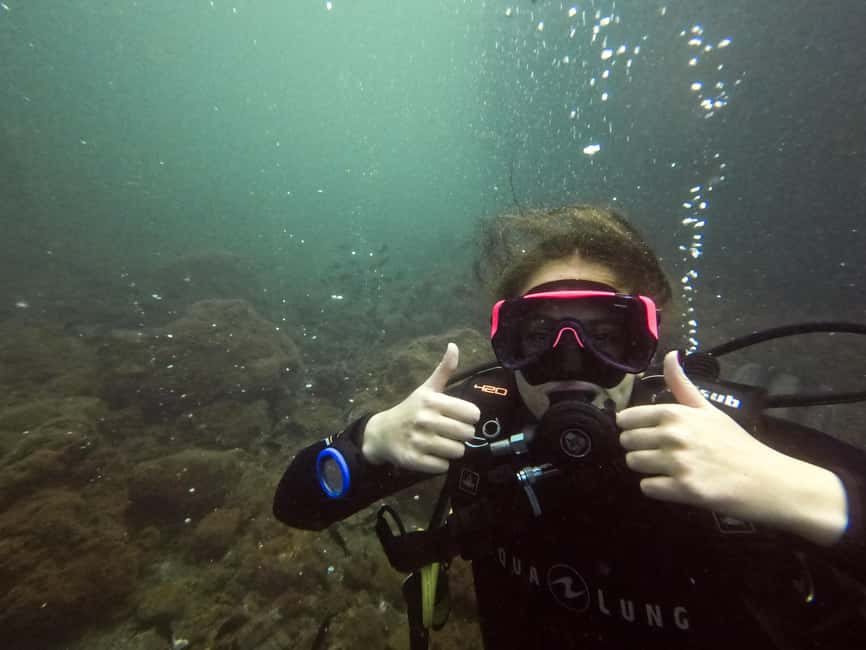
At $45.31 per person, the price covers more than access to the site. You get online learning, an in-person lesson, full scuba equipment, a tank refill, personal medical insurance, an instructor, boat transport, use of showers and changing rooms, refreshments and the participation certificate.
That is good value for someone who wants a supervised first experience without buying or renting equipment separately. The small group is part of the value, too: a maximum of four participants gives the instructor room to focus on individual comfort and questions.
There are extra costs to factor in. You must get to the center yourself. A bus ticket costs about €2.50, with a stop right in front of the center; the train station is about a 15-minute walk away. A taxi from Naples is estimated at around €70, so public transport is the more economical choice if it suits your plans.
Lunch can be arranged with a partner restaurant for €35 per person. The set menu includes ten appetizer tastings, a first and second course chosen from the options, wine, water and dessert. Entry to other archaeological sites is separate, at around €5 for places such as the castle or baths, and the Temple of Venus is not currently open for visits.
Free cancellation is available up to 24 hours in advance for a full refund, and you can reserve without paying immediately. Those terms offer useful flexibility, but they do not remove the need to check the medical form and weather conditions.
A different kind of Campania day:
- From Naples: Sorrento, Positano & Amalfi Coast – Small Group Tour
★ 5.0 · 8,643 reviews - Naples: Catacombs of San Gennaro Entry Ticket & Guided Tour
★ 4.6 · 7,941 reviews - Naples: Downtown Tour with Veiled Christ & St Clare Tickets
★ 4.9 · 6,462 reviews - Naples: Pizza-Making Workshop with Drink and Appetizer
★ 4.9 · 5,411 reviews
Who should book this Baia experience?
This outing suits curious beginners who want more than a boat trip and are comfortable trying a new physical activity under close instruction. It is especially appealing if Roman archaeology interests you, but you would like to see how a historic place can become part of a living marine environment.
It is not suitable for children under ten or pregnant women. You should also be prepared to complete the medical form and potentially obtain a medical examination if staff identify a concern. Anyone who dislikes being underwater or is uneasy about scuba equipment may prefer to admire Baia’s history from shore.
Certified scuba participants should select the option for certified divers, rather than booking the beginner session. The center offers a separate option for certified divers, but its specific route and conditions are not detailed here.
Bring swimwear, a towel, a sun hat, sunscreen and dry clothes for afterward. Alcohol and drugs are not allowed, and you must not touch marine life. Those are simple rules, but they matter at a protected underwater site where old structures and sea creatures share a fragile space.
Should you book it?
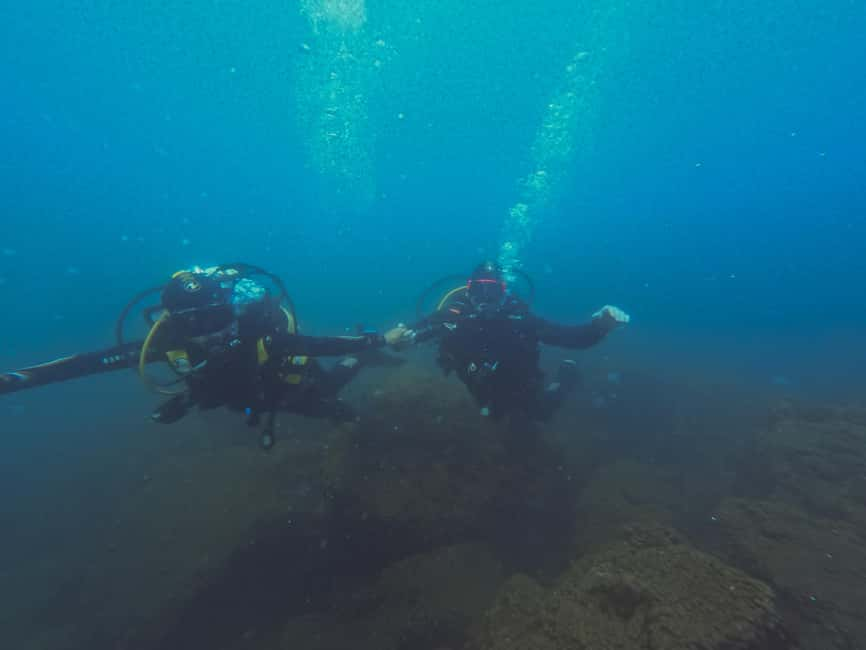
Book this if the idea of seeing a Roman town beneath the sea excites you and you want an instructor to guide your first scuba experience. The combination of close supervision, supplied equipment and a distinctive archaeological setting makes the price attractive, especially if you can reach Baia by bus or train.
Think twice if you need a fully fixed schedule, want to see every underwater route, or are hoping for a relaxed sightseeing cruise without getting in the water. For the right beginner, though, Baia offers a rare meeting of archaeology and marine life, with a practical lesson and small group to help you enjoy it safely.
FAQ
Do I need a scuba license to join?
No. This is a first-time scuba experience, and no license is required. There is also a separate option for certified divers.
What is the minimum age?
Participants must be at least ten years old. The activity is not suitable for children under ten.
How long does the experience take?
Allow three to four hours in total. The underwater visit lasts about 45 minutes, and the full outing also includes instruction, boat transport and time at the center.
What equipment is provided?
The center provides full scuba equipment and a refilled tank. You should bring swimwear, a towel, a sun hat, sunscreen and a change of clothes.
How many people are in each group?
The group is limited to four participants. An instructor stays with you throughout the activity.
Where does the activity start and finish?
It starts and ends at the diving center at Via Lucullo, 110, near the Temple of Venus and the entrance to the Baia pier.
Is transport to the diving center included?
No. You must reach the center yourself. A bus stop is directly in front, the train station is about a 15-minute walk away, and a taxi from Naples costs around €70.
What does the participation certificate mean?
It confirms that you completed the session and counts as the first dive of a PADI Open Water Diver course. It is not a scuba license.
Can the underwater route or schedule change?
Yes. The park has several routes, but the group visits only one, and you can tell staff if you have a preference. The plan may change because of weather conditions.
Recently added near Naples
- Tiramisù Making Class With Limoncello or Meloncello Tasting★ 5.0 · 17 reviews
- Private Natural Wine Vs Byodinamic and Organic Wine Tour★ 5.0 · 6 reviews
- Caserta Royal Palace tour★ 5.0 · 4 reviews
- Tour in the Charterhouse of St. Martin and Pedamentina with an art expert★ 4.5 · 3 reviews
- Private City Kickstart Tour: Naples★ 5.0 · 7 reviews
- Caserta Royal Palace Private Walking Tour★ 4.5 · 12 reviews
- Caserta Royal Palace small group tour★ 5.0 · 6 reviews
- Caserta Royal Palace Entrance Ticket★ 3.5 · 78 reviews