
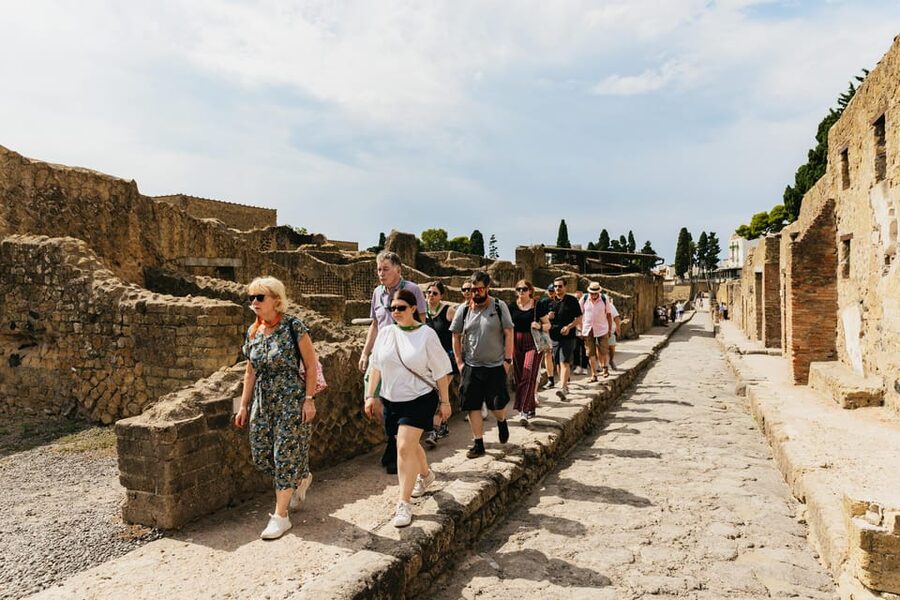
Reviewed · HERCULANEUM TOURS
Herculaneum: Skip-the-Line Guided Tour with Archaeologist
Herculaneum gives you an unusually close look at Roman daily life: mosaics still decorate a home, carbonized wood survived the eruption, and the waterfront preserves a grim record of people who tried to escape. An archaeologist guide helps make sense of the buildings and the city’s sudden end.
I like two things in particular: the guide brings context to details you might otherwise walk past, and the included admission and skip-the-ticket-line access make a short visit easier to plan. Guides named by past participants include Luciano, Diego, Teresa, and Angelo, with explanations often mixing history, humor, and visual aids.
The main consideration is the pace. Two hours is enough for a guided overview, not a slow, complete visit, and the exposed site calls for sturdy shoes, sun protection, and weather-ready clothing. You also need to make your own way to the ruins: transportation is not included.
- The guide is the heart of the visit: Archaeologists explain the eruption, excavation, and everyday life, and can answer questions as you go.
- Roman homes give the site its human scale: See houses such as the House of Neptune and Amphitrite, the House of the Deer, and the House of the Black Salon.
- Skip-the-line access saves a step: Admission is included, and the tour bypasses the ticket line.
- The waterfront is a sobering stop: The remains of more than 300 people lie near the shore, where they tried to escape by sea.
- You’ll walk on uneven, exposed ground: Closed-toe shoes and sun protection are sensible, and the tour runs in rain or shine.
- Plan your own transport: Meet at the ruins’ ticket office, not in Naples.
Why Herculaneum rewards a guided visit

Herculaneum is smaller than its famous neighbor Pompeii, but it has a very different feel. Its streets, homes, and preserved objects give you a concentrated view of a Roman town and the people who lived there, including wealthy merchants and the nobility. It is also a quieter alternative to Pompeii at some times, though crowd levels can change.
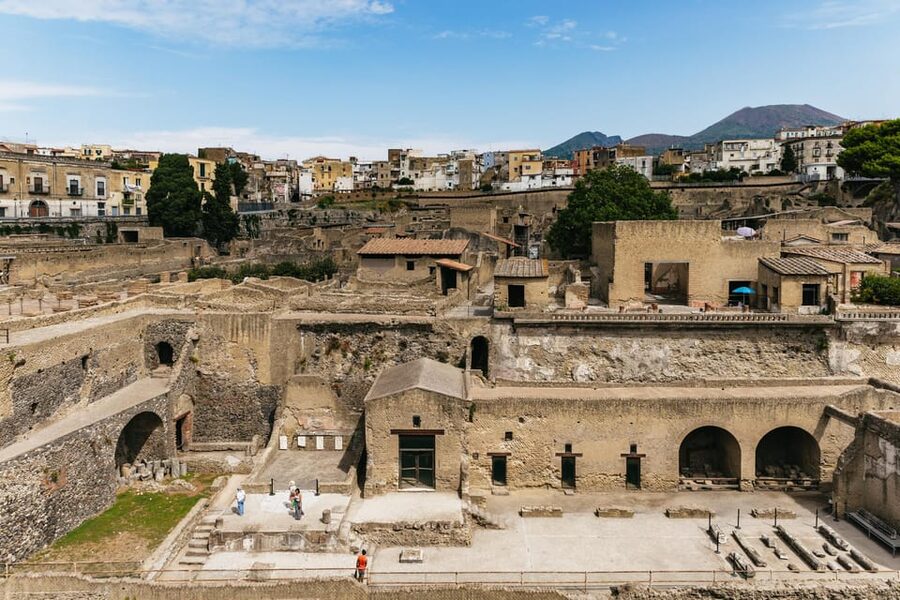
The site was destroyed by the eruption of Mount Vesuvius nearly 2,000 years ago. On this tour, your guide explains what happened and how it shaped the remains you see. The difference between Herculaneum and Pompeii is a recurring theme, useful if you have visited one site already or plan to see both.
A good guide does more than name a building. The archaeologists who lead this tour have been praised for making the history clear and lively, often using photographs, books, or picture guides to show what the ruins looked like before the eruption or what a room may have been used for. Luciano, for example, has used visual material and comparisons with Pompeii; Angelo has brought books and images to help explain the site. Those tools can make the remains easier to read, especially if you are new to Roman archaeology.
The two-hour route through Roman homes and public spaces
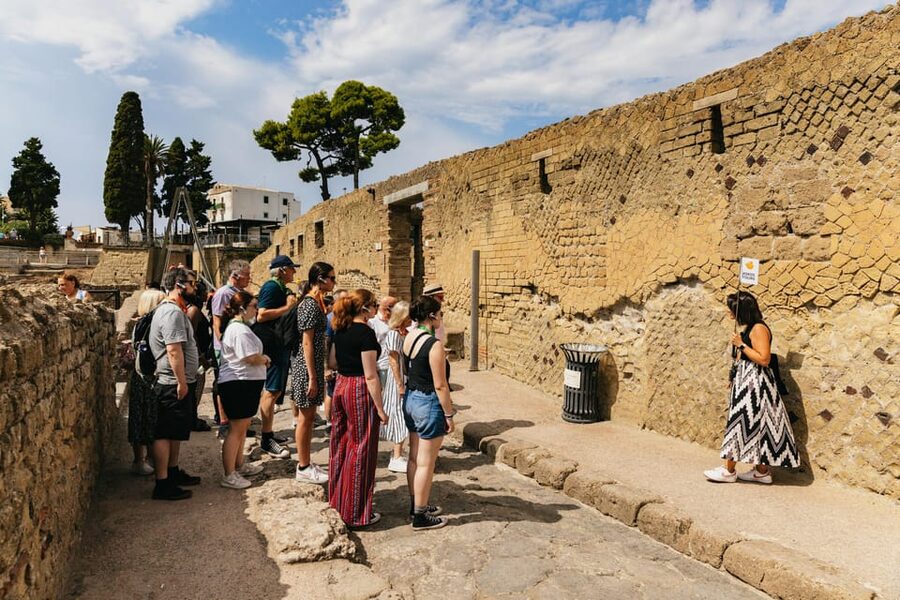
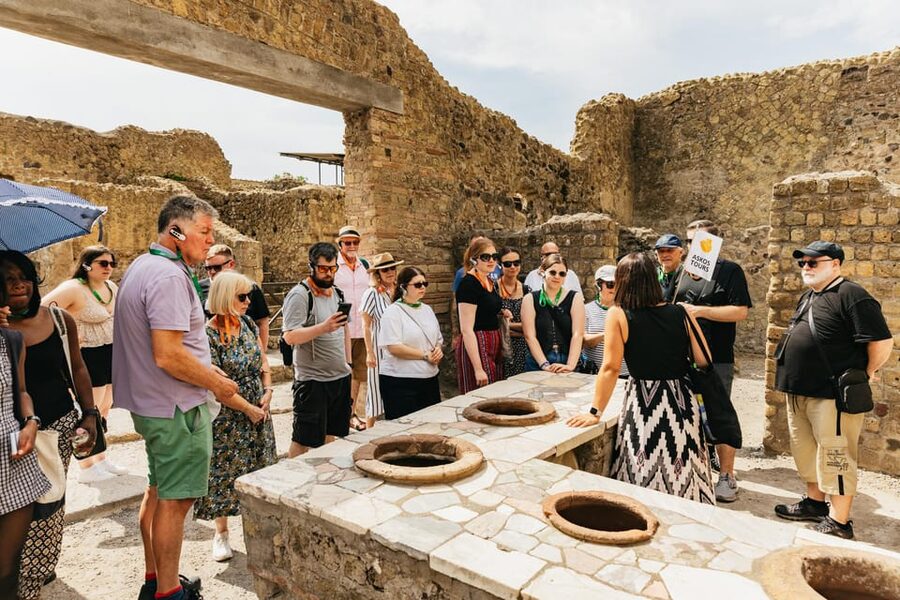
The meeting point is the ticket office at the Herculaneum Ruins. Look for a guide holding an Askos Tours sign. One useful detail: a past participant found the map pin in the booking app about 300 meters from the actual meeting spot. Follow the written meeting instructions and head to the ticket office rather than relying only on the pin.
The guided visit lasts two hours. That is a useful amount of time for an overview of a site with many layers, but it is not a leisurely wander through every building. The planned stops include the House of the Deer, the House of Neptune and Amphitrite, the House of Skeletons, Casa dell’Albergo, the House of the Black Salon, and the Temple of the Augustales. The guide may also show you the Samnite house, thermal baths, Forum, gymnasium, and waterfront. The order can vary.
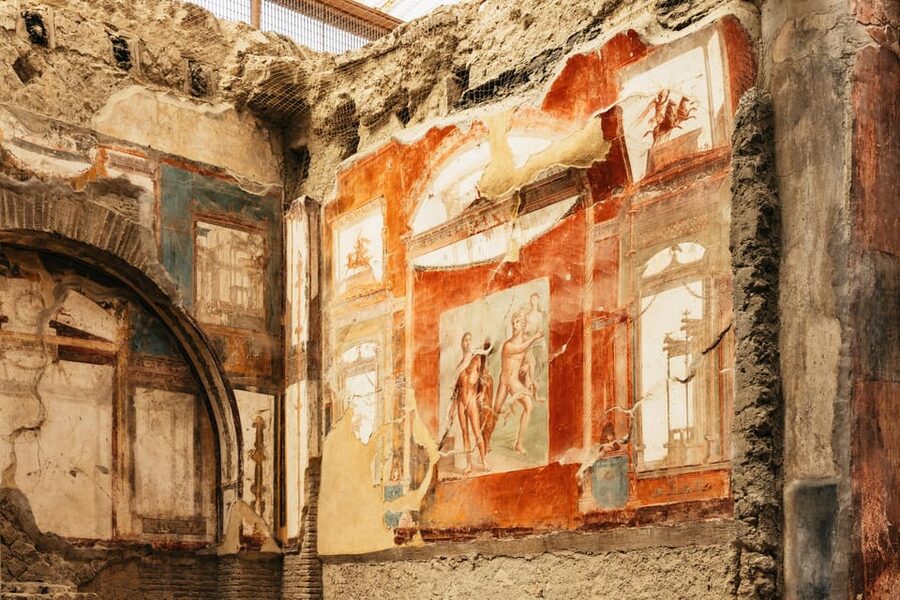
You’ll likely appreciate the guide’s role most when a building’s surviving details seem small at first glance. A painted wall, floor pattern, or fragment of wood becomes more meaningful when you know how it fits into a Roman home or public space. Guides also explain how Herculaneum functioned as a port town and what its houses can tell you about wealth, work, and daily routines.
More Herculaneum visits near Naples:
- Herculaneum Small Group Tour and Ticket With an Archaeologist
★ 5.0 · 994 reviews - Herculaneum: Skip-the-Line Entry Ticket with Audio Guide
★ 4.3 · 870 reviews - From Naples: Pompeii & Herculaneum with Archaeologist Guide
★ 4.8 · 665 reviews
The homes: mosaics, paintings, and private life
The House of Neptune and Amphitrite is one of the tour’s most memorable stops. Its name points to its famous decoration, and the site’s mosaics and paintings offer a rare chance to see how color and ornament shaped a Roman interior. Your guide can help you look closely, rather than treating the house as a collection of old walls.
The House of the Deer and the House of the Black Salon add more examples of domestic life. The itinerary also includes the House of Skeletons and Casa dell’Albergo. These names can sound like a checklist, but the value lies in comparing the spaces: their layouts, decoration, and the traces of materials that survived. Herculaneum’s preserved stone, marble, ceramics, paintings, mosaics, and carbonized wood give the guide plenty to point out.
The Samnite house provides another view of the town’s domestic architecture. You do not need to arrive with a background in Roman history to follow the tour. The guide’s job is to connect the physical remains with the people who used them, and participants have particularly praised guides who use plain explanations and answer questions along the way.
Baths, the Forum, and the Temple of the Augustales
The public buildings shift the focus from private homes to civic life. The thermal baths show how Romans used shared facilities, while the Forum and Temple of the Augustales help explain the town’s public and religious life. These are useful stops for balancing the personal stories of the houses with a sense of how the wider community worked.
The gymnasium is another notable part of the site. One guide has taken a group into a tunnel at its center, where the remains give a view of the area associated with the swimming pool. Access and exact routing may vary, but this example shows why an archaeologist’s interpretation can add more than a quick look at a plan or sign.
You may see abundant detail in a compact area, so take the chance to ask questions. Guides such as Luciano, Diego, Teresa, and Roberta have been singled out for making the site understandable and keeping the group engaged. Guide assignments vary, of course, but the tour is designed around an archaeologist’s perspective.
The waterfront and the eruption
The waterfront is among the most affecting parts of the visit. The remains of more than 300 people lie there, people who tried to escape by taking to the sea. It is a stark reminder that Herculaneum was a living town, not simply an archaeological puzzle.
Your guide explains the eruption and the rapid destruction of the town. One guide has used images to show the site before and after the event; others have made the contrast with Pompeii a central part of the explanation. Herculaneum was covered by mud from the eruption, a detail that helps explain why its remains can differ from those at Pompeii. The guide’s account gives you a clearer sense of the force behind the ruins without reducing the visit to disaster stories alone.
Expect a thoughtful balance of daily life and catastrophe. The town’s homes, objects, and public spaces show what people built and valued; the waterfront brings the human cost into focus. If you are visiting both Herculaneum and Pompeii, the comparison is especially useful. Each site tells a different part of the story.
More skip-the-line tickets near Naples:
- Naples: Naples Underground Entry Ticket and Guided Tour
★ 4.4 · 21,781 reviews - Naples: Catacombs of San Gennaro Entry Ticket & Guided Tour
★ 4.6 · 7,941 reviews - Naples: Downtown Tour with Veiled Christ & St Clare Tickets
★ 4.9 · 6,462 reviews - Naples: Hop-on Hop-off Bus Tour 24-Hour Ticket
★ 4.3 · 5,157 reviews
How the guide shapes the experience
The strongest reason to book this tour is the interpretation. Herculaneum can be fascinating on its own, but an expert guide helps you identify what you are seeing and why it matters. Past guides have been praised for enthusiasm, clear English, humor, and the ability to make two hours pass quickly. Several have also been good at bringing children into the conversation.
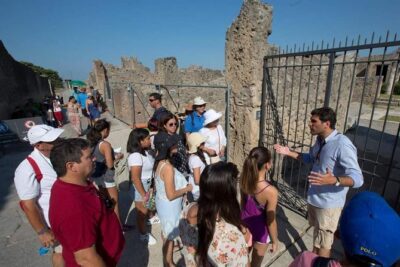
The format is not a private tour. Group size has been around 15 in one account and as large as 20 in another, so your experience may depend on the group and where you stand. Headsets are included, which help you hear the guide as the group moves. Still, keep close enough to listen: one participant found the audio dropped when the guide moved out of range.
There is a lot of material to cover. Some guides pack a great deal into the allotted time, which suits visitors who want a strong overview. If you prefer quiet pauses and long stretches to examine each room alone, the guided portion may feel brisk. You can ask whether there is time to explore independently afterward, and plan your slot around the site’s closing time. A late-afternoon tour may leave less time for a separate wander.
Price, admission, and getting ready
At $53 per person, the price includes the two-hour guided tour, admission to Herculaneum, an archaeologist guide, and headsets. Adult admission is listed at €16, while EU citizens aged 18 to 25 pay €2 for entry. The tour price covers more than the ticket: you are also paying for a guide who can help you use your time well and understand the details. If you qualify for the reduced entry rate, weigh that against the value you place on the guided explanation.
Transportation and food or drinks are not included. Despite being described as a tour from Naples, the meeting point is at Herculaneum itself, so arrange your own journey to the ruins. The experience is two hours, and available starting times depend on the date.
Wear comfortable, closed-toe shoes. The ground can be difficult to cross in open sandals, and the archaeological site is vast and very exposed. Bring sunscreen and a hat, and pack a raincoat if the forecast calls for rain. The tour runs in wet weather as well as sunshine.
Bring a valid passport or ID card. Large bags and luggage are not allowed, and children must be accompanied by an adult. The tour is not suitable for wheelchair users or people with mobility impairments, so check carefully before booking if uneven ground or extended walking is a concern. Free cancellation is available up to 24 hours before the tour, and you can reserve now and pay later.
Who should book this Herculaneum tour?
This tour makes the most sense if you want context, have limited time, or would rather have an archaeologist guide you through the major buildings than piece the site together alone. It is also a good choice if you have been to Pompeii and want to understand what makes Herculaneum different. Families can benefit from a lively guide, though a two-hour history walk may test the patience of younger children, especially after a visit to Pompeii.
Book it if you value expert explanation and want the ticket and guiding arranged together. Skip it if you need transport included, require step-free access, or prefer to explore entirely at your own pace. For a richer visit, choose a start time that leaves room to see more of the site after the guided walk.
FAQ
Where is the meeting point?
Meet at the ticket office of the Herculaneum Ruins. Your guide will be holding an Askos Tours sign.
Is admission to Herculaneum included?
Yes. The tour price includes admission to the archaeological site.
How long is the tour?
The guided tour lasts two hours. Starting times vary, so check availability for your date.
Is transportation from Naples included?
No. Transportation is not included, and the meeting point is at the Herculaneum Ruins.
What should I bring?
Bring a valid passport or ID card, comfortable closed-toe shoes, and sunscreen. A hat is recommended, and you should bring a raincoat if needed.
Is the tour suitable for wheelchair users?
No. The tour is not suitable for wheelchair users or people with mobility impairments.
Recently added near Naples
- Tiramisù Making Class With Limoncello or Meloncello Tasting★ 5.0 · 17 reviews
- Private Natural Wine Vs Byodinamic and Organic Wine Tour★ 5.0 · 6 reviews
- Caserta Royal Palace tour★ 5.0 · 4 reviews
- Tour in the Charterhouse of St. Martin and Pedamentina with an art expert★ 4.5 · 3 reviews
- Private City Kickstart Tour: Naples★ 5.0 · 7 reviews
- Caserta Royal Palace Private Walking Tour★ 4.5 · 12 reviews
- Caserta Royal Palace small group tour★ 5.0 · 6 reviews
- Caserta Royal Palace Entrance Ticket★ 3.5 · 78 reviews
Herculaneum Tours, compared.
Pompeii and Herculaneum Small Group Tour with an Archaeologist
Read our review →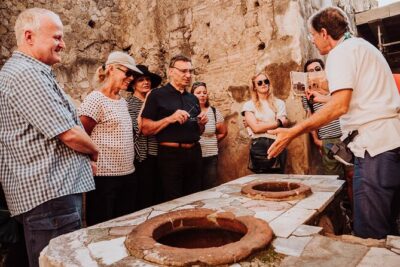
Herculaneum Small Group Tour and Ticket With an Archaeologist
Read our review →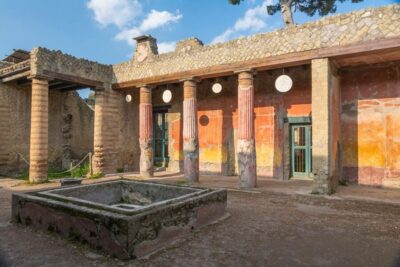
Herculaneum: Skip-the-Line Entry Ticket with Audio Guide
Read our review →
Pompeii & Herculaneum with Archaeologist Guide
Read our review →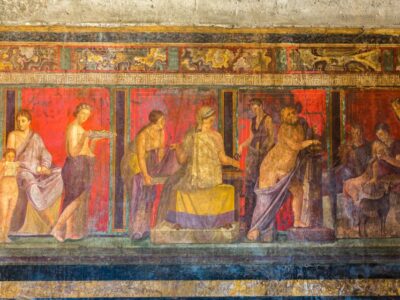
Pompeii, Herculaneum, & Vesuvius Full-Day Tour
Read our review →
Ercolano: Herculaneum Entry Ticket with Optional Audio Guide
Read our review →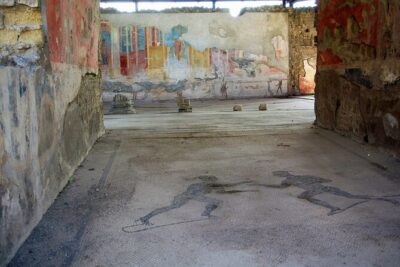
Day Trip of Pompeii, Herculaneum and Vesuvius from Naples
Read our review →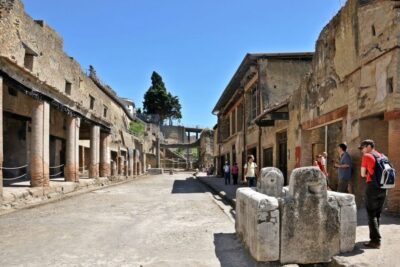
Browse the lists this tour appears in